 admin
adminIntroduction
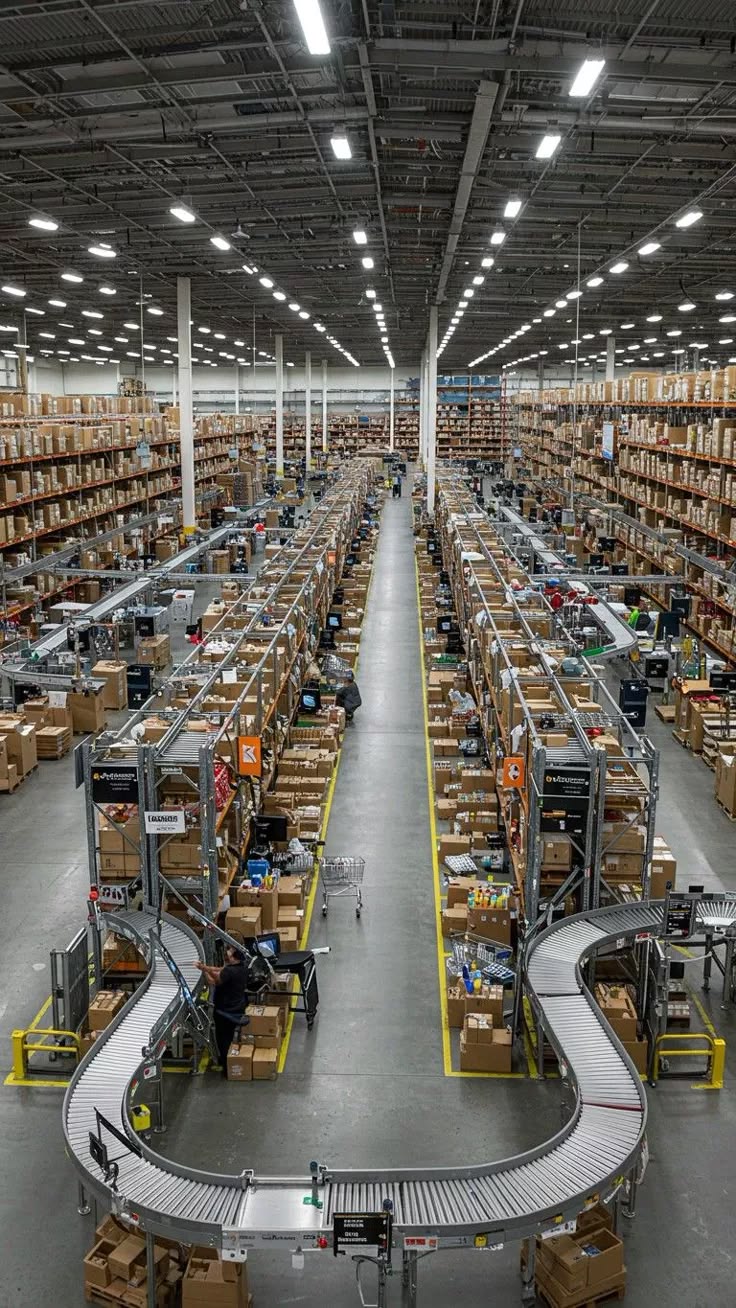
Canada continues to experience strong demand for warehouse workers as the country’s logistics, retail, manufacturing, and e-commerce industries expand. With online shopping becoming a permanent part of consumer behavior and supply chains growing more sophisticated, employers across Canada are actively searching for reliable employees to keep warehouses operating efficiently.
For many international job seekers, warehouse positions offer an accessible route into the Canadian workforce because many roles do not require a university degree. Some employers may also support qualified foreign workers through Canada’s legal work permit process when they cannot find enough local workers to fill vacancies.
If you’re hoping to work in Canada in 2026, understanding how visa sponsorship works is essential. While warehouse jobs can provide promising employment opportunities, not every employer offers sponsorship, and not every vacancy qualifies for hiring foreign workers. Knowing the legal process can help you avoid scams and focus your efforts on genuine opportunities.
This guide explains everything you need to know about Canadian warehouse jobs with visa sponsorship, including eligibility requirements, average salaries, responsibilities, qualifications, and practical steps to improve your chances of finding legitimate employment.
Why Canada Needs Warehouse Workers in 2026
Canada’s economy relies heavily on efficient transportation and distribution networks. Warehouses play a critical role in ensuring products reach retailers, businesses, and consumers across the country.
Several factors continue to drive demand for warehouse employees:
- Continued growth in e-commerce
- Expansion of retail distribution centres
- Increased manufacturing output
- Aging workforce and retirements
- Seasonal demand during holidays
- Growth in food and pharmaceutical logistics
Many provinces have reported labour shortages in transportation and logistics occupations. As a result, some employers may pursue legal pathways to recruit qualified foreign workers when domestic recruitment efforts are unsuccessful.
Although labour market conditions vary by province and employer, warehouse work remains one of the occupations with consistent hiring activity.
What Is Visa Sponsorship for Canadian Warehouse Jobs?
Visa sponsorship refers to situations where a Canadian employer supports a foreign worker’s application to legally work in Canada.
In many cases, employers hiring workers from outside Canada may need to complete specific government requirements before a foreign worker can apply for a work permit. Depending on the job and immigration pathway, this may involve demonstrating that reasonable efforts were made to hire Canadian citizens or permanent residents first.
It is important to understand that:
- Sponsorship does not guarantee permanent residence.
- Sponsorship does not guarantee visa approval.
- Immigration authorities make the final decision regarding work permits.
- Every employer does not offer sponsorship.
Legitimate employers never guarantee immigration approval or ask applicants to pay recruitment fees in exchange for a job offer.
What Does a Warehouse Worker Do?
Warehouse employees perform a wide range of duties that help businesses receive, store, organize, and ship products.
Typical responsibilities include:
Receiving Deliveries
Workers unload trucks, inspect incoming shipments, verify quantities, and record inventory.
Organizing Inventory
Products are stored safely and systematically using warehouse management systems or inventory procedures.
Picking Orders
Employees locate products requested by customers or retailers and prepare them for shipment.
Packing Products
Warehouse workers package goods securely to reduce damage during transportation.
Shipping Orders
Prepared shipments are labelled, documented, and loaded onto outgoing trucks.
Operating Equipment
Depending on training and certification, workers may operate:
- Forklifts
- Pallet jacks
- Conveyor systems
- Scanners
- Inventory management devices
Maintaining Workplace Safety
Employees help keep work areas clean while following workplace safety regulations and company procedures.
Average Salary for Warehouse Jobs in Canada
Warehouse salaries vary depending on several factors, including:
- Province
- Employer
- Shift schedules
- Experience
- Overtime availability
- Specialized skills
Typical hourly wages often range from approximately CAD $18 to CAD $30 per hour, with some specialized positions paying more depending on experience, certifications, and location.
Annual earnings can increase significantly when employees receive:
- Overtime pay
- Shift differentials
- Performance bonuses
- Weekend premiums
Larger distribution centres frequently offer comprehensive compensation packages that may include health benefits, retirement savings programs, paid vacation, and employee discounts.
Popular Warehouse Positions Available
Warehouse operations require employees across multiple departments.
Some common positions include:
Warehouse Associate
Handles general warehouse tasks including receiving, stocking, packing, and shipping.
Typical duties
- Order picking
- Inventory handling
- Product packaging
- General warehouse support
Forklift Operator
Operates powered industrial equipment to move goods throughout the warehouse.
Employers often require:
- Forklift certification
- Safe operating experience
- Knowledge of warehouse safety procedures
Order Picker
Responsible for locating customer orders accurately and preparing shipments.
Important skills include:
- Attention to detail
- Physical stamina
- Time management
Shipping and Receiving Clerk
Coordinates incoming and outgoing deliveries while maintaining shipping documentation.
Responsibilities may include:
- Checking invoices
- Processing deliveries
- Inventory tracking
- Coordinating logistics
Inventory Control Associate
Focuses on inventory accuracy by monitoring stock levels and conducting regular inventory counts.
Tasks often include:
- Inventory audits
- Barcode scanning
- Reporting discrepancies
- Stock reconciliation
Packaging Associate
Ensures products are packed correctly before shipment while maintaining quality standards.
Skills Employers Look For
Although many warehouse jobs are considered entry-level, employers value candidates who demonstrate reliability and a strong work ethic.
Commonly desired skills include:
Physical Fitness
Warehouse work often involves:
- Standing for long periods
- Walking throughout shifts
- Lifting boxes
- Moving inventory
Good physical condition helps employees perform daily tasks safely.
Teamwork
Warehouses depend on collaboration between receiving, inventory, shipping, and management teams.
Strong communication skills help operations run efficiently.
Reliability
Attendance and punctuality are highly valued.
Employers often prioritize dependable workers who consistently meet schedules.
Attention to Detail
Even small mistakes can result in incorrect shipments or inventory errors.
Workers who carefully verify labels, quantities, and documentation are valuable assets.
Basic Computer Skills
Modern warehouses increasingly use digital inventory systems.
Employees may need to operate:
- Barcode scanners
- Warehouse management software
- Tablets
- Handheld inventory devices
Time Management
Meeting shipping deadlines requires employees to prioritize tasks and work efficiently without compromising quality.
Education Requirements
One reason warehouse jobs attract many international applicants is that educational requirements are generally more flexible than those for highly specialized professions.
Many employers require:
- High school diploma or equivalent (preferred by some employers)
- Ability to communicate effectively in English or French, depending on the workplace
- Legal eligibility to work in Canada, or qualification for an appropriate work permit if hired from abroad
Some positions, particularly those involving specialized equipment or supervisory responsibilities, may have additional training or certification requirements.
Work Experience Requirements
Experience requirements vary considerably.
Some employers hire entry-level workers and provide on-the-job training.
Others prefer candidates with experience in:
- Warehousing
- Manufacturing
- Retail distribution
- Logistics
- Shipping and receiving
- Inventory management
Experience using warehouse technology or operating material-handling equipment can strengthen an application for certain roles.
Benefits of Working in Canadian Warehouses
Warehouse employment can provide more than a regular paycheck. Depending on the employer and position, workers may receive additional benefits that improve long-term financial stability and career development.
Potential benefits include:
Competitive Wages
Many warehouse employers offer hourly wages above provincial minimum wage levels, particularly for evening, overnight, or specialized shifts.
Overtime Opportunities
Busy seasons often create opportunities to earn additional income through overtime, subject to applicable employment laws and company policies.
Employee Benefits
Some employers provide benefit packages that may include health coverage, dental care, vision benefits, retirement savings plans, paid vacation, and employee assistance programs. Eligibility varies by employer and employment status.
Career Growth
Warehouse employees may have opportunities to progress into roles such as:
- Team Lead
- Shift Supervisor
- Inventory Coordinator
- Logistics Coordinator
- Warehouse Manager
Many companies promote from within, rewarding strong performance and experience.
Skill Development
Working in a warehouse can help employees build transferable skills in logistics, inventory management, workplace safety, teamwork, and equipment operation—experience that may be valuable across a range of industries.
Who Can Apply?
Eligibility depends on the specific employer, job requirements, and Canadian immigration rules. In general, applicants may improve their chances if they:
- Meet the qualifications listed in the job posting.
- Have relevant warehouse or logistics experience where required.
- Can communicate effectively in English or French, depending on the role.
- Satisfy the requirements for the applicable Canadian work permit process.
- Are willing to comply with workplace safety standards and employer policies.
Remember that receiving a job offer does not automatically result in a work permit. Canadian immigration authorities assess each application independently, and applicants must meet all applicable legal requirements.
Step-by-Step Guide to Applying Legally for Canadian Warehouse Jobs
If you are applying for a warehouse job from outside Canada, following the correct legal process is essential. A genuine employer will comply with Canadian labour and immigration requirements, and you should never pay for a job offer or guaranteed visa.
Step 1: Prepare a Canadian-Style Resume
Canadian employers generally prefer resumes that are clear, concise, and tailored to the position. A well-structured resume increases your chances of being shortlisted.
Include:
- Your contact information
- A professional summary
- Relevant work experience
- Education
- Skills
- Certifications (such as forklift operation, if applicable)
- Language proficiency
- References (if requested)
Resume Tips
- Keep the resume to one or two pages.
- Highlight measurable achievements where possible.
- Match your experience to the job description.
- Proofread carefully to eliminate spelling and grammar errors.
Step 2: Write a Strong Cover Letter
Although not every employer requires a cover letter, submitting one can demonstrate professionalism and explain why you are a good fit for the role.
A good cover letter should:
- Express interest in the position.
- Highlight relevant warehouse or logistics experience.
- Mention important skills such as teamwork, reliability, and attention to detail.
- Explain your willingness to relocate if hired.
- Be concise and customized for the employer.
Avoid sending the same generic cover letter to every company.
Step 3: Search for Legitimate Warehouse Jobs
Focus on established employers and reputable job platforms when searching for opportunities.
Look for vacancies that clearly state:
- Job responsibilities
- Required qualifications
- Salary or wage range (where provided)
- Work location
- Employment type
- Application instructions
Some employers may indicate whether they are open to considering international applicants or whether support is available for eligible foreign workers. If this information is not listed, avoid making assumptions and follow the employer’s stated application process.
Step 4: Submit Complete Applications
Before submitting your application:
- Double-check all information.
- Ensure your documents are current.
- Follow every instruction in the job posting.
- Upload requested documents in the required format.
Incomplete applications are less likely to receive consideration.
Step 5: Attend the Interview
Warehouse interviews may take place by:
- Telephone
- Video conference
- In person
Employers often ask questions about:
- Previous warehouse experience
- Safety awareness
- Ability to lift and move products
- Shift flexibility
- Teamwork
- Problem-solving
- Reliability
Be prepared to discuss examples from your previous work experience.
Step 6: Receive a Job Offer
If selected, the employer may issue a formal job offer outlining:
- Position
- Salary
- Working hours
- Benefits
- Employment conditions
- Start date
Read every detail carefully before accepting.
Step 7: Complete the Appropriate Work Permit Process
After receiving a qualifying job offer, the next steps depend on the employer, the position, and the applicable Canadian immigration pathway.
Some employers may need to complete additional government requirements before a foreign worker can apply for a work permit, while other programs may have different eligibility rules.
Always follow the official instructions provided by the relevant Canadian authorities and ensure that your application is complete and accurate.
Understanding LMIA
One term many foreign applicants encounter is the Labour Market Impact Assessment (LMIA).
An LMIA is a document that, in many cases, a Canadian employer must obtain before hiring a foreign worker. It helps demonstrate that efforts were made to recruit Canadians or permanent residents before offering the position to someone from abroad.
Important points to remember:
- Not all jobs require an LMIA.
- A positive LMIA does not automatically guarantee a work permit.
- Immigration officers assess each work permit application independently.
- The employer—not the job seeker—is generally responsible for the LMIA application where one is required.
Industries Hiring Warehouse Workers
Warehouse jobs are available across a variety of sectors, including:
Retail Distribution
Large retailers operate distribution centres that receive, sort, and ship products to stores and customers.
Typical products include:
- Clothing
- Electronics
- Household goods
- Furniture
- Consumer products
Food Distribution
Food warehouses handle:
- Fresh produce
- Frozen foods
- Packaged groceries
- Restaurant supplies
These facilities often require strict food safety procedures.
Manufacturing
Manufacturers use warehouses to store raw materials and finished products before distribution.
Examples include:
- Automotive parts
- Industrial equipment
- Building materials
- Consumer goods
Pharmaceutical Logistics
Medical warehouses store and distribute healthcare products under carefully controlled conditions.
Employees may handle:
- Medical supplies
- Prescription medications
- Laboratory equipment
E-Commerce Fulfillment
Online retailers continue to expand fulfillment centres across Canada.
Workers help process customer orders quickly by:
- Picking products
- Packing shipments
- Preparing deliveries
- Managing returns
Provinces with Strong Warehouse Employment
Warehouse opportunities exist across Canada, although demand varies by region.
Areas with significant logistics and distribution activity include:
- Ontario
- British Columbia
- Alberta
- Quebec
- Manitoba
Large urban centres often have extensive warehouse operations due to their transportation infrastructure and proximity to major consumer markets.
Qualities That Improve Your Chances of Getting Hired
While meeting the minimum requirements is important, employers often look for additional qualities that indicate long-term success.
Strong Attendance Record
Dependable employees who consistently arrive on time are highly valued.
Safety Awareness
Employers prioritize candidates who understand workplace safety procedures and are willing to follow established protocols.
Flexibility
Many warehouses operate:
- Day shifts
- Evening shifts
- Night shifts
- Weekend schedules
Being flexible with your availability can make you a more competitive applicant.
Willingness to Learn
Warehouse operations continue to adopt new technologies.
Candidates who demonstrate adaptability and a willingness to learn new systems often stand out during recruitment.
Common Documents You May Need
Depending on the employer and the immigration pathway, you may be asked to provide:
- Passport
- Resume
- Cover letter
- Educational documents (if requested)
- Employment references
- Work experience records
- Professional certifications
- Language test results (where applicable)
- Police certificates or medical examinations, if required under immigration rules
Always review the specific requirements for the position and the relevant immigration program before submitting your application.
Common Mistakes to Avoid
Many applicants unintentionally reduce their chances of success.
Avoid these common errors:
Applying Without Reading the Job Description
Tailor your application to the role instead of sending identical resumes to every employer.
Providing Incorrect Information
Ensure that all employment history, qualifications, and contact details are accurate and truthful.
Ignoring Application Instructions
If an employer requests specific documents or formats, follow those instructions carefully.
Paying Recruitment Fees for a Job Offer
Legitimate Canadian employers do not sell jobs or guarantee visas in exchange for payment. Be cautious of anyone requesting money for employment or promising guaranteed immigration outcomes.
Using Poor-Quality Resumes
A professional, error-free resume creates a stronger first impression than one with formatting or grammatical mistakes.
How to Spot Job Scams
Unfortunately, fraudulent job offers targeting international applicants do exist. Learning to recognize warning signs can help protect your finances and personal information.
Be cautious if an employer or recruiter:
- Guarantees a work visa or permanent residence.
- Requests payment before offering employment.
- Conducts interviews only through messaging apps without verifying their identity.
- Uses unofficial email addresses while claiming to represent a large company.
- Refuses to provide a written employment contract.
- Pressures you to make immediate payments or decisions.
If something seems suspicious, verify the employer through official channels before proceeding.
Frequently Asked Questions
Can I Apply Without Warehouse Experience?
Yes. Some employers hire entry-level workers and provide training, while others prefer applicants with previous experience. Review the qualifications listed in each job posting.
Do I Need a University Degree?
Most warehouse positions do not require a university degree. However, employers may request a high school diploma or equivalent, along with any role-specific certifications.
Is English Required?
Many workplaces require employees to communicate effectively in English or, in some regions, French. The required level depends on the position and employer.
Can Warehouse Jobs Lead to Permanent Residence?
Some foreign workers may later become eligible for Canadian permanent residence through various immigration pathways if they meet the applicable requirements. However, warehouse employment alone does not guarantee permanent residence, and eligibility depends on factors such as work experience, occupation, and the specific immigration program.
Are Overtime Opportunities Common?
Many warehouses offer overtime during busy periods, although availability varies by employer, business needs, and provincial employment standards.
Tips to Increase Your Chances of Getting Hired
Competition for Canadian warehouse jobs can be strong, particularly for positions that are open to international applicants. While there is no guaranteed way to secure employment, taking a strategic approach can improve your chances of being noticed by employers.
Tailor Every Application
Avoid sending the same resume and cover letter to every employer. Carefully read each job description and highlight the skills and experience that best match the role.
Emphasize Relevant Experience
Even if you have never worked in a warehouse, experience in retail, manufacturing, construction, shipping, delivery services, or inventory management can demonstrate transferable skills such as teamwork, physical stamina, organization, and attention to detail.
Gain Additional Certifications
Some certifications can make you a more competitive candidate, depending on the role. Examples include:
- Forklift operation
- Workplace health and safety training
- First aid certification
- Inventory management software training
Always ensure that any certification you obtain is recognized or relevant to the employer’s requirements.
Improve Your Language Skills
Strong communication skills help employees understand safety procedures, follow instructions, and collaborate with colleagues. Continuing to improve your English or French can increase your employment opportunities.
Be Patient and Persistent
It may take time to receive interview invitations, especially when applying from outside Canada. Continue applying for suitable positions, update your resume regularly, and remain organized throughout your job search.
Understanding Workplace Expectations
Warehouse work can be physically demanding, but it also offers structured environments where employees contribute directly to the movement of goods across the supply chain.
Employers generally expect workers to:
- Arrive on time for scheduled shifts.
- Follow workplace safety rules.
- Maintain productivity while meeting quality standards.
- Work effectively with supervisors and colleagues.
- Handle inventory carefully and accurately.
- Respect company policies and procedures.
Meeting these expectations can support long-term employment and create opportunities for career advancement.
Career Progression in Warehouse Operations
Many warehouse employees begin in entry-level positions and gradually move into roles with greater responsibility. Advancement depends on factors such as experience, performance, additional training, and business needs.
Potential career paths include:
| Starting Position | Possible Career Progression |
|---|---|
| Warehouse Associate | Senior Warehouse Associate |
| Order Picker | Inventory Coordinator |
| Shipping Clerk | Logistics Coordinator |
| Forklift Operator | Warehouse Supervisor |
| Inventory Assistant | Warehouse Manager |
| General Warehouse Worker | Operations Supervisor |
Some employers also provide internal training programs that help employees develop leadership, technical, or operational skills.
Final Thoughts
Canadian warehouse jobs continue to attract interest from foreign workers because they can provide stable employment opportunities across a range of industries. As Canada’s logistics, manufacturing, retail, and e-commerce sectors evolve, employers may continue recruiting qualified workers to meet operational needs.
If you plan to apply from outside Canada, focus on the legal application process. Research employers carefully, submit professional application materials, and rely on official immigration information when preparing your work permit application. Be cautious of anyone promising guaranteed jobs or visas, and never pay for employment offers.
Success often comes from preparation, persistence, and applying only for positions that match your qualifications. By understanding employer expectations and following legitimate recruitment and immigration procedures, you can improve your chances of securing a warehouse position while avoiding common pitfalls.
Although warehouse work may serve as an entry point into Canada’s labour market for some individuals, each applicant’s circumstances are different. Employment opportunities, immigration eligibility, and hiring needs can change over time, so staying informed through official sources remains essential.
Frequently Asked Questions (Extended)
Are warehouse jobs available throughout the year?
Many warehouses hire year-round, although recruitment often increases during periods of high demand, such as holiday shopping seasons or when businesses expand their distribution operations.
Can I change employers after arriving in Canada?
Whether you can change employers depends on the type and conditions of your work permit. Review the terms of your permit and follow the applicable Canadian immigration rules before accepting a new position.
Will employers provide accommodation?
Some employers may offer temporary accommodation or assistance with relocation, while many do not. Read the job advertisement carefully and do not assume housing is included unless it is clearly stated in the employment offer.
How long does the hiring process take?
Recruitment timelines vary. Some employers fill vacancies within a few weeks, while others may require several months due to interviews, background checks, and any applicable immigration procedures.
Can couples apply together?
Each applicant must independently meet the requirements for employment and any applicable immigration program. Eligibility for accompanying family members depends on the specific work permit category and Canadian immigration regulations.
Key Takeaways
- Canada continues to have demand for warehouse workers across several industries.
- Some employers may hire qualified foreign workers through legal immigration pathways when eligible.
- Warehouse jobs generally do not require a university degree, although employers may specify education, language, or experience requirements.
- Preparing a professional resume and tailored cover letter can strengthen your application.
- Always apply through legitimate employers and follow official immigration procedures.
- Never pay anyone for a guaranteed job offer or visa.
- Verify all employment opportunities before sharing personal documents or money.
- Career growth is possible through experience, strong performance, and additional training.


 admin
admin