 admin
admin🌍 Introduction
The United States immigration system offers multiple pathways for foreign nationals to obtain permanent residency, commonly known as a Green Card. One of the most practical routes for individuals without advanced degrees or specialized skills is the EB-3 visa program. Within this category, poultry processing jobs have become a significant entry point for international workers seeking long-term settlement in the US.
This guide provides a complete blueprint for 2026, explaining how poultry workers can qualify under the EB-3 program, the step-by-step application process, and the benefits of securing permanent residency through employment.For many aspiring immigrants, the “American Dream” often feels gated behind high-level degrees or millions of dollars in investment capital. However, the EB-3 Unskilled Worker (Other Workers) visa offers a legitimate, legal, and accessible pathway to permanent residency for those willing to perform essential labor.
Poultry processing is one of the most reliable sectors for this program due to a chronic shortage of domestic labor in the United States. This “blueprint” will walk you through the eligibility, the multi-step legal process, and the timeline for securing your future in the U.S.
🛂 What Is the EB-3 Visa?
The EB-3 visa is part of the US employment-based immigration system. It is designed for:
• Skilled Workers: Jobs requiring at least two years of training or experience.
• Professionals: Roles requiring a bachelor’s degree.
• Other Workers (Unskilled Labor): Positions requiring less than two years of training, including poultry processing jobs.
Poultry workers typically qualify under the “Other Workers” category, making this visa one of the most accessible routes for individuals with limited formal education but strong work ethic.
🏢 Why Poultry Processing Jobs?
The U.S. poultry industry is a cornerstone of the global food supply chain. Companies like Tyson Foods, Pilgrim’s Pride, and Perdue Farms operate massive facilities that require consistent, year-round labor. Because these roles are often in rural areas and involve physically demanding work, there is a “chronic labor shortage.”
Under U.S. law, if an employer can prove that no qualified U.S. workers are available to fill these roles, they are permitted to sponsor foreign nationals for a Green Card. This makes poultry processing one of the “surest” bets for EB-3 applicants.
• High Demand: The US poultry industry faces chronic labor shortages.
• Employer Sponsorship: Many poultry companies are willing to sponsor foreign workers.
• Pathway to Green Card: EB-3 sponsorship leads directly to permanent residency.
• Stable Employment: Poultry processing is essential to the food supply chain, ensuring job security.
📑 Eligibility Requirements
To qualify for an EB-3 poultry worker visa, applicants must:
• Job Offer: Secure employment from a US poultry processing company.
• Labor Certification (PERM): Employer must prove no qualified US worker is available.
• Work Readiness: Ability to perform physically demanding tasks.
• Medical & Background Checks: Pass health exams and provide police clearance.
• No Advanced Education Required: Unlike other visa categories, EB-3 poultry jobs do not require degrees.
Life as a Poultry Worker: What to Expect
It is vital to understand that this is a work-based visa.
-
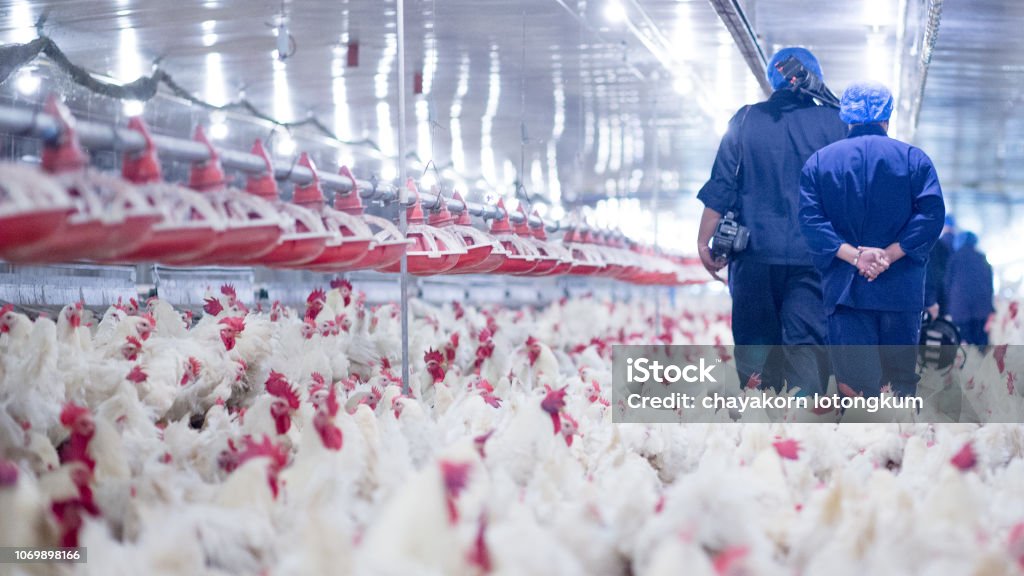
The Job: Expect physical work in a refrigerated environment. Tasks include deboning, packaging, and quality control.
-
The Commitment: While the Green Card is permanent, most contracts expect you to work for the sponsor for at least one year. Leaving too early could be viewed as “immigration fraud” if it appears you never intended to do the work.
-
Family: Your spouse and unmarried children under 21 are also eligible for Green Cards as your dependents. They can work and go to school anywhere in the U.S.
⚖️ Step-by-Step Application Process
1. Employer Sponsorship
The US employer initiates the process by filing a PERM Labor Certification with the Department of Labor.
2. Immigrant Petition (Form I-140)
Once PERM is approved, the employer files Form I-140 with US Citizenship and Immigration Services (USCIS).
3. Priority Date
Applicants receive a priority date, which determines their place in the visa queue.
4. Visa Availability
When the priority date becomes current, applicants can proceed with either:
• Adjustment of Status (Form I-485): If already in the US.
• Consular Processing: If applying from abroad.
5. Green Card Approval
Upon approval, applicants receive permanent residency and can live and work in the US indefinitely.
💰 Salary and Benefits
Poultry workers under EB-3 sponsorship typically earn:
• Hourly Wage: $15–$20 per hour.
• Annual Salary: $30,000–$45,000 depending on location.
• Additional Benefits:
• Health insurance
• Paid leave
• Retirement contributions
• Housing assistance (in some rural areas)
📍 States With High Demand for Poultry Workers
• Arkansas: Major poultry production hub.
• Georgia: Home to large poultry processing plants.
• Alabama: Strong demand in rural communities.
• North Carolina: Expanding poultry industry.
• Mississippi: Consistent need for processing staff.
🔑 Advantages of EB-3 Poultry Worker Sponsorship
• Direct Path to Green Card: Unlike temporary visas, EB-3 leads to permanent residency.
• Family Sponsorship: Spouses and children under 21 can also obtain Green Cards.
• Job Security: Essential industry ensures long-term employment.
• Citizenship Pathway: After five years of residency, workers can apply for US citizenship.
⚠️ Challenges and Considerations
• Processing Time: EB-3 visas can take 2–4 years depending on demand.
• Employer Dependence: Sponsorship ties workers to one employer initially.
• Physical Demands: Poultry processing requires stamina and resilience.
• Visa Backlogs: High demand may cause delays in certain categories.
📈 Career Growth Opportunities
While poultry processing is an entry-level role, EB-3 workers can:
• Transition to supervisory positions.
• Move into logistics, quality control, or food safety roles.
• Pursue further education and training in the US.
• Build long-term careers in agriculture and food production.
✅ Conclusion
The EB-3 poultry worker visa offers one of the most accessible pathways to a US Green Card for international applicants. With strong demand in the poultry industry, employer sponsorship opportunities, and benefits like family inclusion and eventual citizenship, this blueprint provides a clear roadmap for workers seeking permanent residency in 2026.
Key takeaway: By securing a job offer, meeting eligibility requirements, and following the EB-3 process, poultry workers can achieve the dream of living and working permanently in the United States. The EB-3 Poultry Worker program remains one of the most effective “back doors” into the United States for those without specialized degrees. By providing essential labor to the U.S. food industry, you earn the right to permanent residency and, eventually, U.S. Citizenship (after 5 years of holding a Green Card).


 admin
admin